Esports as a strategic driver for APAC brands

Play is a foundational human need, as vital as food and sleep. Engaging in play boosts wellbeing, fuels creativity and builds powerful communities, creating a deep sense of connection and loyalty.
Esports leans into this instinct while offering unparalleled audience reach, evolving into a cultural movement that blends competition, creativity and collaboration. APAC — the world’s largest and fastest-growing esports market — represents a powerful growth engine for brands across marketing, product development and retail experiences. This is a new paradigm for how brands can authentically connect with consumers.
Building your tribe – A winning esports marketing strategy
Esports is no longer confined to live tournaments – it has grown into a community-first ecosystem. In 2024, nearly half (44.6%) of all esports viewership came from co-streamed events, where gaming creators hosted watch parties alongside official broadcasts. This demonstrates a fundamental shift: audiences are not just passive spectators but active participants in an interactive, creator-led culture – a key consideration for any successful marketing strategy.
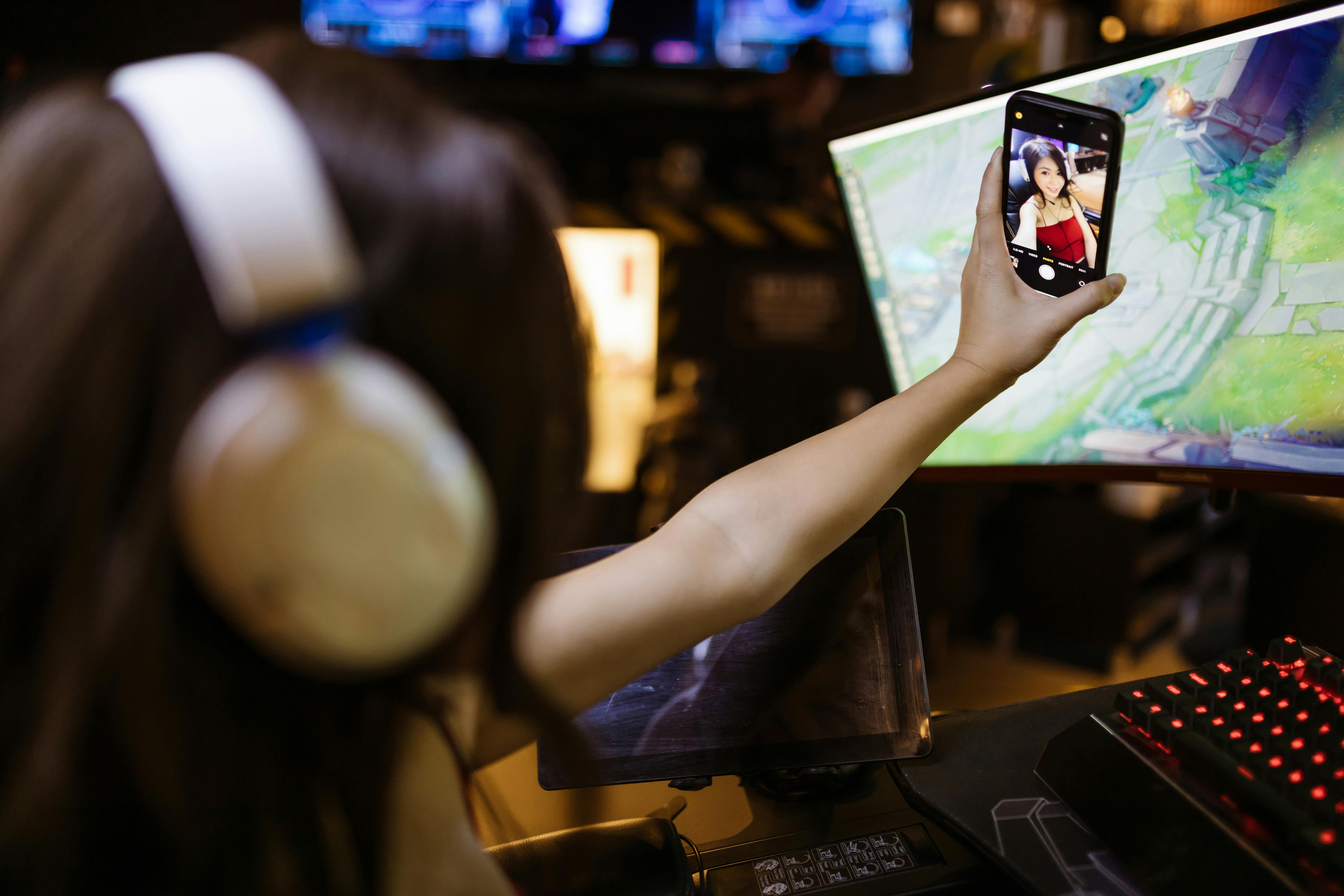
Brands can surpass sterile ad slots by showing up when fans play, watch and connect. Louis Vuitton created a bespoke Trophy Travel Case for the League of Legends World Championship. This collaboration seamlessly blended high fashion with the most prestigious prize in esports. Similarly, Gucci launched its virtual Gucci Garden on Roblox, a digital space where users could explore themed rooms and purchase exclusive avatar items.

By strategically investing in esports sponsorship and partnering creators who genuinely align with their brand’s values, companies can build trust and rapport with their communities far more effectively than through traditional advertising. The rise of co-streaming is a clear indicator that the most successful esports marketing activations will be authentic and co-created with the community. A solid marketing strategy must prioritise authentic presence and collaborative partnerships to truly resonate with this engaged audience.
Play for product design – How gaming trends shape product design
In a region as diverse as APAC, a one-size-fits-all approach to product design simply won’t work. The key is to design with your audience, not just for them. 59% of gamers in Indonesia, Thailand and Vietnam prefer content tailored to their local culture and language. Brands honouring esports audiences’ culture through thoughtful design are rewarded.
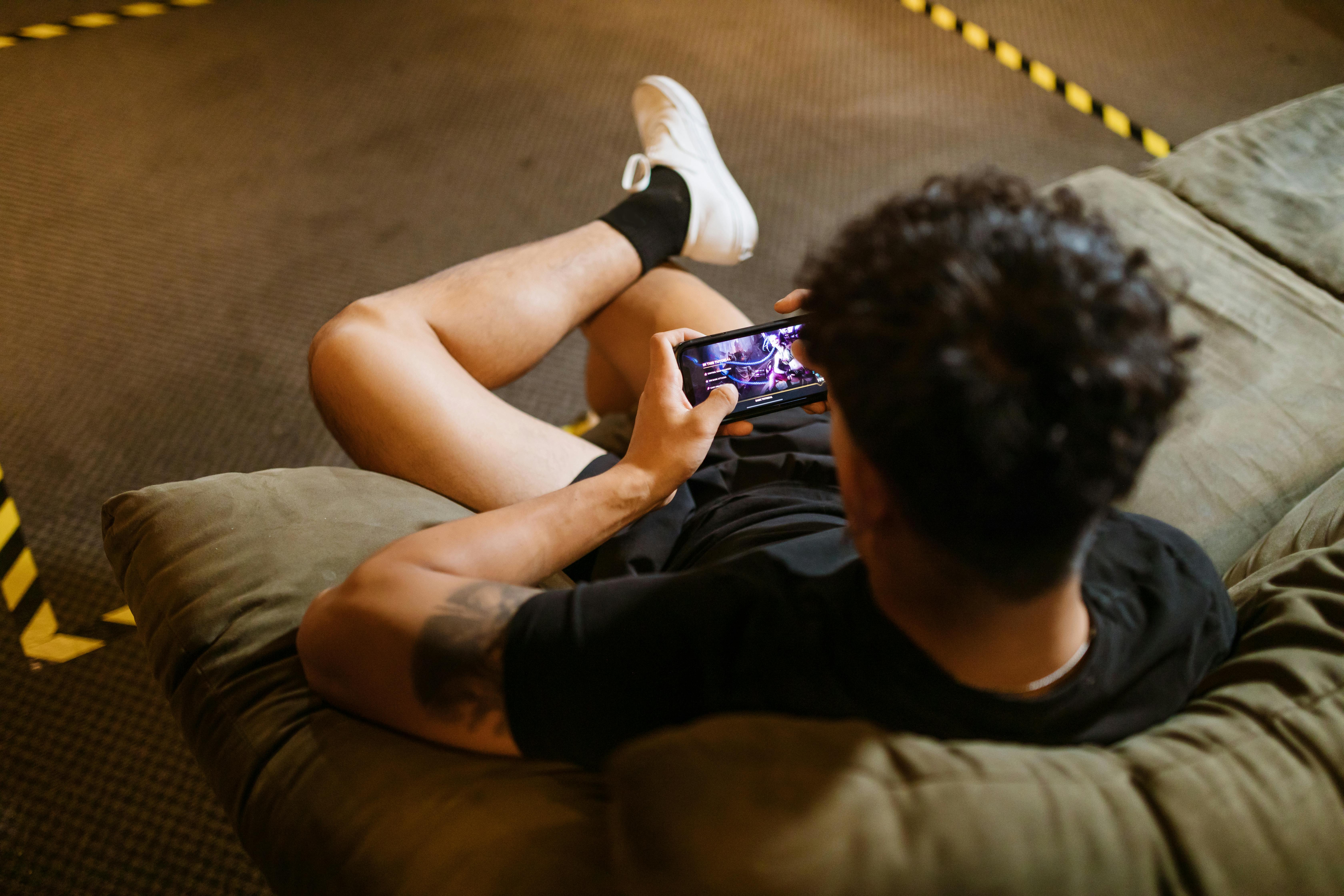
For anyone monitoring gaming trends beyond 2025, the future of product development is increasingly personalised. Firms are leveraging AI in gaming to create more dynamic and immersive experiences.
Gaming giant Razer developed its Razer HyperSense haptic technology, which converts real-time audio signals into multi-sensory feedback in its headsets. Brands can also establish nostalgia-driven packaging inspired by the iconic games that defined a generation, as seen with Kellogg’s limited-edition Super Mario Cereal, which included power-up marshmallows and a box that even functioned as an amiibo.
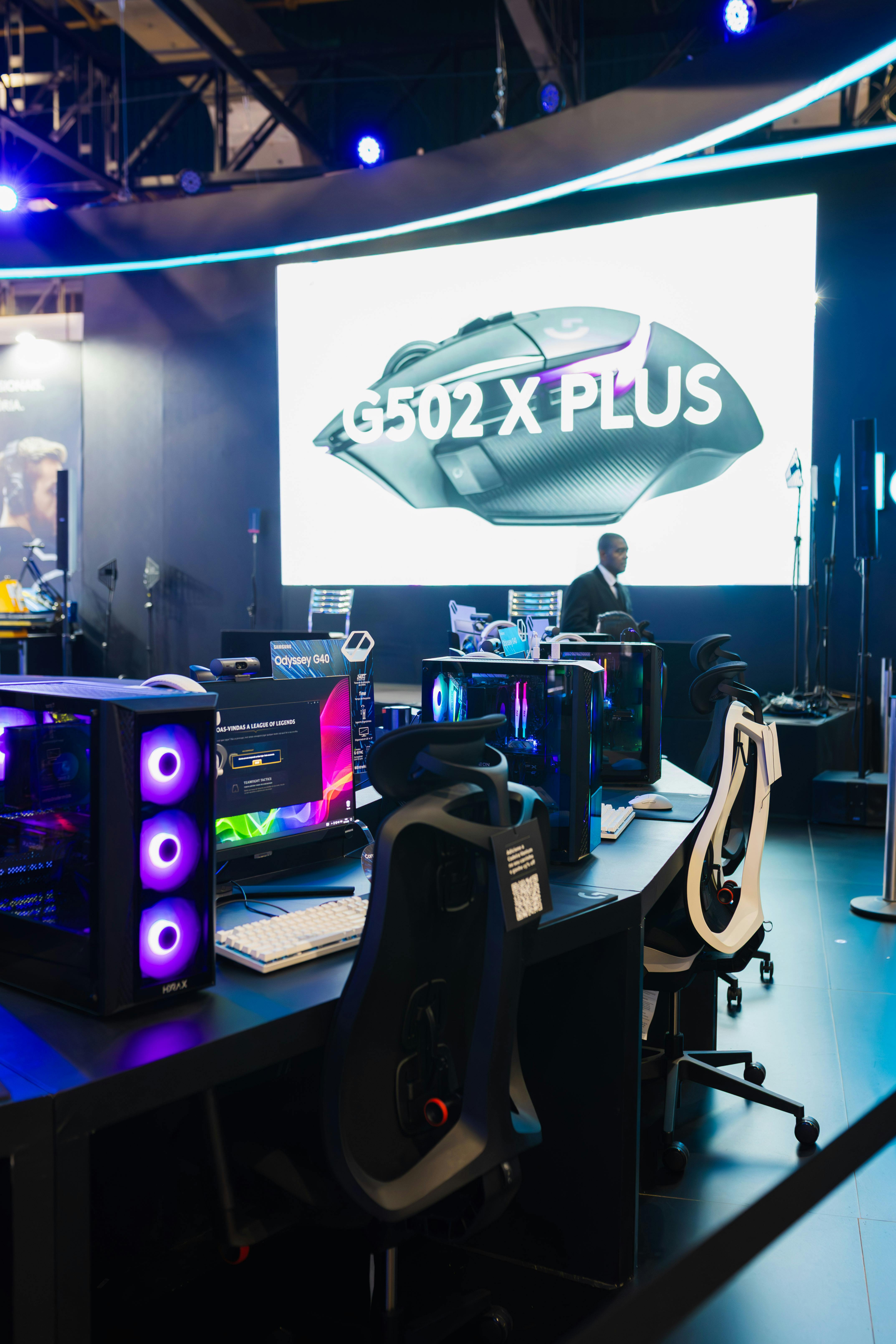
The growing importance of cultural localisation in games is a clear signal that companies must embrace the nuances that make a product feel authentic and deeply personal, fostering a genuine connection that transcends a simple transaction.
Immersive retail – the power of in-store gaming experiences
Esports thrives on live, shared experiences and this same energy is beginning to reshape retail. With APAC streaming audiences hitting 500 million in 2024, primarily driven by the proliferation of mobile gaming, the opportunity to bridge the gap between the online and offline worlds has never been greater.
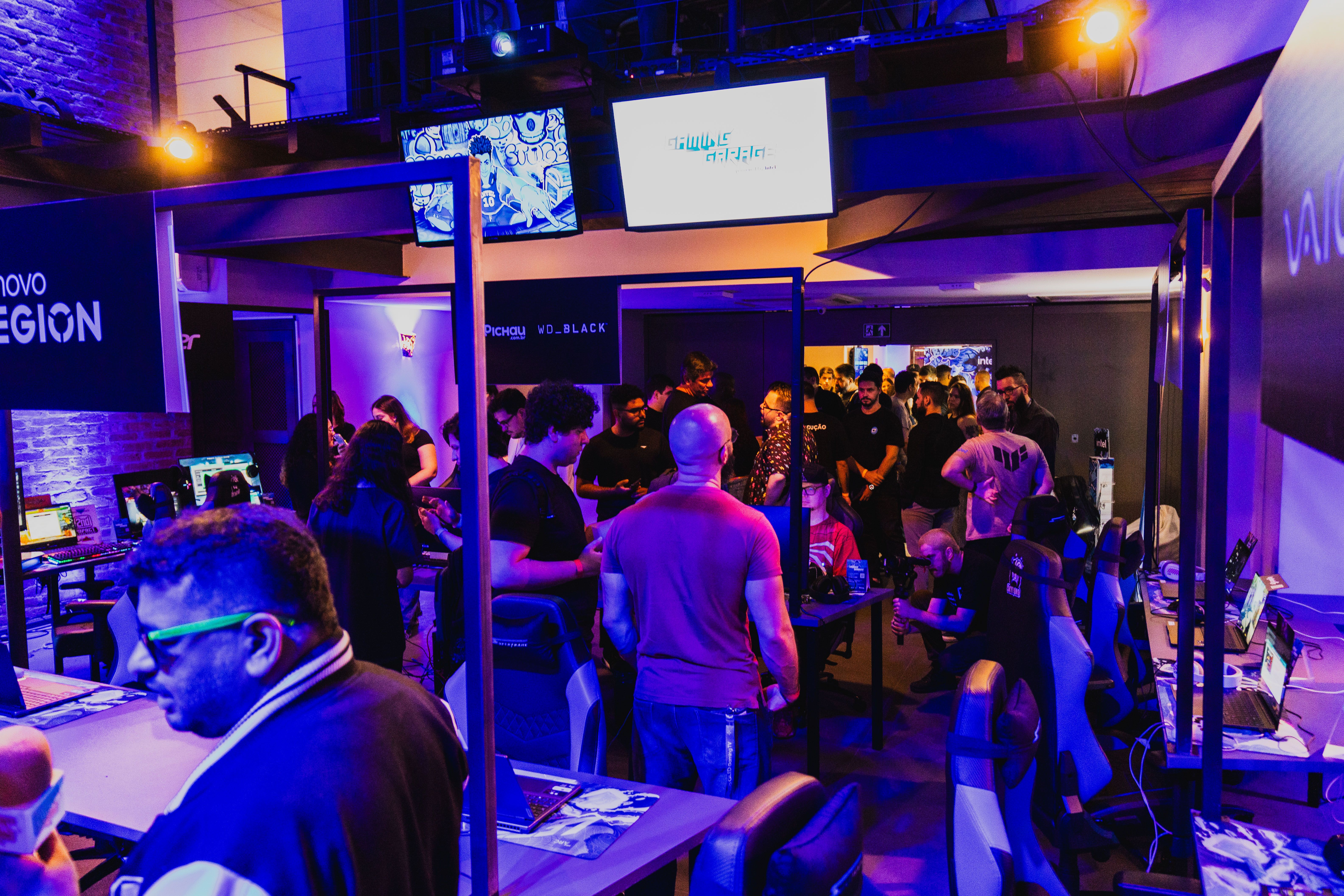
Your physical store can become a content hub and a community gathering point. The goal is to create a holistic gaming experience that feels like a natural extension of the digital world, drawing consumers from their screens into tangible brand engagements. For example, brands can host mini esports tournaments in-store, turning a simple visit into an exciting competitive event that draws a crowd and generates online buzz. This strategy is at the heart of what’s known as immersive retail where the shopping journey becomes an adventure.
Leading sportswear brands are pioneering this trend in China. PUMA has a dedicated gaming area with consoles for customers in its Shanghai flagship store. adidas’s Beijing store features a ‘phygital’ sound garden where customers can create music videos with avatars.

These are powerful examples of brands transforming their physical spaces into interactive, shareable and digitally infused experiences. Ultimately, the most forward-thinking businesses view their physical spaces as potential stages that captivate the modern consumer.
Go beyond the game. The insights in this blog are just the beginning. Read the full WGSN × rEvolution whitepaper for a comprehensive roadmap on how to build brand loyalty through esports. Discover essential data, case studies and strategies for your marketing, product and retail teams.